

How ChatGPT and Machine-Learning Models are Changing B2B Sales and the Packaging Industry
In today’s rapidly evolving business landscape, what’s being called “artificial intelligence” (AI) is no longer a futuristic concept—it’s a transformative force reshaping industries across the globe. From healthcare to finance, AI’s reach is extensive, and it’s changing the landscape for those of us in the packaging industry as well as B2B sales. As companies strive to stay competitive, AI is being harnessed to optimize processes, enhance customer experiences, and drive innovation in ways that were once unimaginable.
It’s important to note that while we often refer to AI as “artificial intelligence,” it’s important to clarify what that means. Contrary to the name, AI isn’t referring to computers with minds like us or the ability to work on things outside of human control. Systems like ChatGPT, computer vision, machine learning models, and other AI tools are based on machine learning algorithms that process vast amounts of data, recognize patterns, and generate responses based on probabilities, not independent thought or understanding. Rather than being self-aware or capable of genuine decision-making, AI functions as an advanced tool that assists with tasks by mimicking human-like responses, making data-driven recommendations, and optimizing workflows. In the context of B2B and packaging, AI helps automate processes and improve efficiencies, but it still relies on human oversight and input to ensure accuracy and creativity.
Still, in the packaging industry, AI is revolutionizing everything from the design and production of packaging materials to the automation of packaging lines. Similarly, in the realm of B2B sales, AI-powered tools are enabling companies to predict market trends, personalize customer interactions, and streamline supply chains with unprecedented precision.
However, as with any technological advancement, the rise of AI brings with it a set of challenges and potential downsides that businesses must navigate. This article will explore the positive impacts of AI on packaging and B2B sales, as well as the potential risks and ethical considerations. We’ll also look ahead to how AI might further shape these industries in the coming years, helping businesses prepare for the future.
The Role of A.I. in Packaging
Smart Packaging: AI-driven smart packaging solutions are revolutionizing how products are monitored during transit. Imagine packaging that can track conditions like temperature and humidity in real-time, ensuring products arrive in optimal condition. This technology not only improves product safety but also extends shelf life, reducing waste and ensuring customer satisfaction.
Automation in Production: AI is also making waves in production lines, where robots equipped with AI capabilities handle packaging processes with incredible precision. These automated systems increase efficiency, cut labor costs, and minimize human error, allowing businesses to scale operations smoothly.
Custom Packaging Solutions: Gone are the days of one-size-fits-all packaging. AI systems now design custom packaging tailored to specific product dimensions and customer preferences. This level of personalization enhances customer satisfaction and reduces material waste, making the packaging process both efficient and environmentally friendly.
Inventory Management and Augmented Reality (AR): AI plays a crucial role in managing inventory more effectively, ensuring that stock levels are optimized to meet demand without overproduction. Additionally, AI-driven AR and VR technologies allow customers to visualize products in their own space, further enhancing the shopping experience and reducing returns.
A.I.’s Influence on B2B Sales

Predictive Analytics: In B2B sales, AI’s ability to analyze historical data and predict future trends is a game-changer. By anticipating demand and customer needs, companies can manage inventory more effectively, preventing stockouts or overstock situations.
Personalized Marketing: AI-driven marketing tools are making it easier than ever to create personalized outreach campaigns. By targeting the right audience with tailored messages, businesses can increase engagement and conversion rates, ensuring that marketing efforts are both effective and efficient.
AI Chatbots and Customer Service: Customer service is another area where AI shines (sometimes…). AI-powered chatbots handle inquiries in real-time, providing quick, accurate responses and freeing up human staff to focus on more complex tasks. This improves response time significantly as well.
Hypercustomization and Reduced Lead Times: With AI, businesses can offer hypercustomized solutions to their clients, reducing lead times and ensuring that products and services are tailored to meet specific needs. The higher level of competition driven by AI tools makes it easier to organize sales efforts and keep up with industry demands.
Potential Negatives of A.I. in the Industry
While AI offers significant benefits, it’s important to consider the potential downsides.
Job Displacement: As AI and automation become more prevalent, there is a real concern about job displacement. Packaging and sales roles that once relied on human workers may be increasingly handled by machines, leading to significant job losses. This highlights the need for reskilling programs to help workers adapt to the changing job market.
Data Privacy Issues: AI systems rely on vast amounts of data, raising concerns about privacy, especially in B2B sales where sensitive information is often handled. Businesses must be vigilant in ensuring that AI-driven personalized marketing and predictive analytics do not compromise customer privacy.
Over-reliance on Technology: There is also the risk of becoming too dependent on AI. When technology fails or produces errors, the consequences can be significant. For instance, if AI misinterprets data, it could lead to poor business decisions that impact both operations and customer relationships.
Future Projections for A.I. in Packaging and B2B Sales
Looking ahead, the role of AI in these industries is only set to grow.
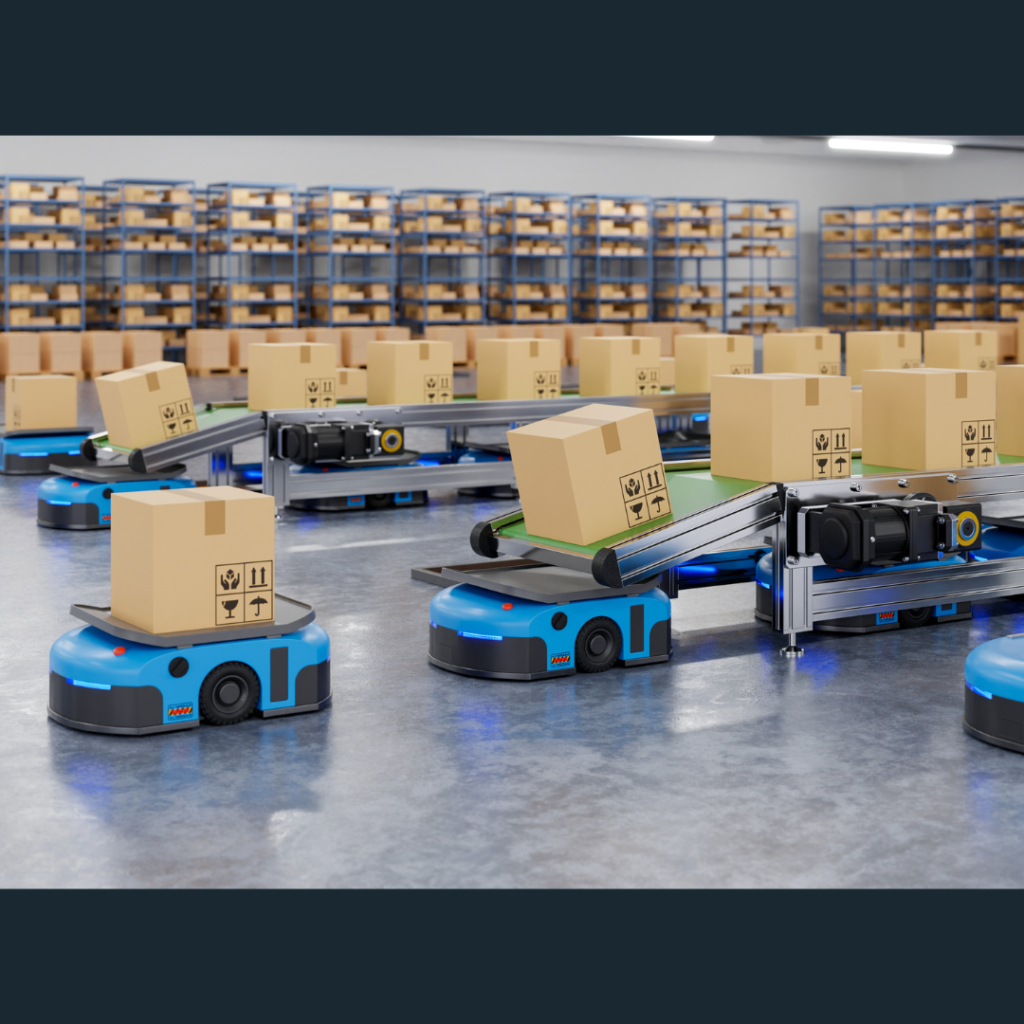
Further Automation and Efficiency: We can expect to see increased adoption of AI in more complex packaging and sales processes, leading to even greater efficiency and cost savings.
AI-Driven Sustainability: AI will play a crucial role in promoting sustainability, from selecting eco-friendly materials for packaging to optimizing supply chains to reduce carbon footprints. This not only benefits the environment but also enhances a company’s brand image.
Challenges in Regulation and Ethics: As AI continues to evolve, there will be a growing need for regulatory frameworks to manage its impact on jobs, privacy, and ethical concerns. Developing guidelines for AI use in B2B sales and packaging will be essential to ensure fair practices and protect all stakeholders.
Conclusion
In summary, AI is a powerful tool that is reshaping the packaging and B2B sales industries. It offers significant benefits, such as scalability, efficiency, and improved customer experience, but it also presents challenges that businesses must address. As AI continues to advance, companies should stay informed about its developments and carefully consider both the opportunities and risks involved in integrating AI into their operations.
As you explore how AI can benefit your business, consider the balance between embracing innovation and mitigating potential downsides. Stay informed, invest in the right technologies, and ensure that your approach to AI is both strategic and responsible. Don’t get left behind!